
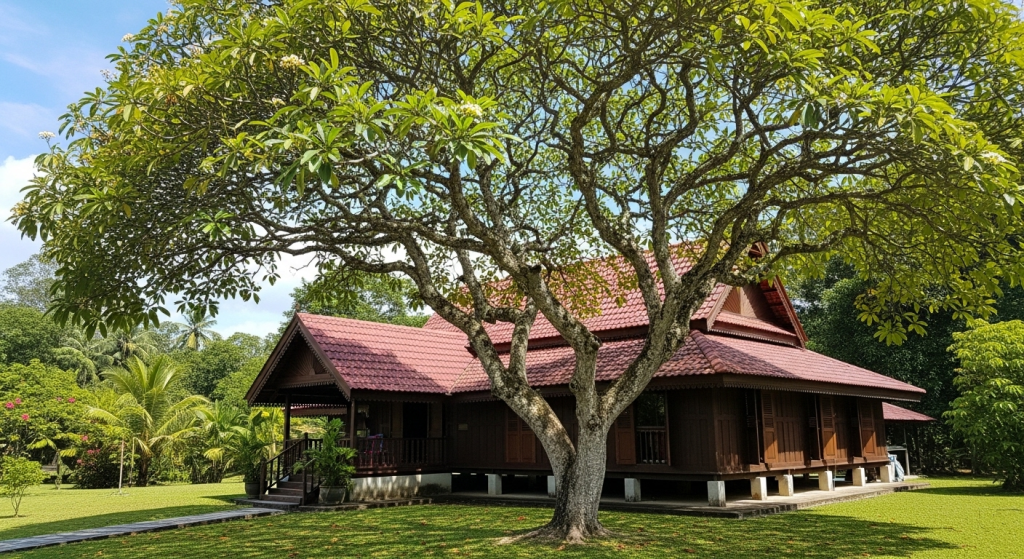
In the hot, humid, and rain-laden climate of Malaysia, trees encounter distinct challenges. Unlike those in temperate regions, our trees are perpetually contending with high moisture levels, voracious pests, and swift growth cycles. Safeguarding your investment and ensuring that your trees stay healthy and attractive necessitates a proactive strategy for tree health management.
1. The Critical Role of Soil and Watering
Our heavy, clay-rich soils combined with high rainfall can quickly lead to tree stress if not managed properly. Over-watering and poor drainage are major causes of root problems.
Drainage Check: If water pools around the tree base for more than an hour after heavy rain, the soil structure is compacted or poorly drained. This can lead to fatal root rot.
Mulching (The Right Way): Apply a 3 to 4-inch layer of organic mulch (like wood chips or shredded bark) around the base of the tree.
Goal: Retain moisture during dry spells, regulate soil temperature, and prevent weeds.
The Golden Rule: Keep the mulch ring a few inches away from the trunk itself. This prevents moisture from causing bark rot (the “mulch volcano” is a killer).
Compaction: Heavy foot traffic or vehicles can severely compact the soil, suffocating roots. For mature trees, a consultation with an arborist can involve techniques like Air Spading to break up compaction and improve aeration without damaging the roots.
2. Monitoring for Aggressive Tropical Pests and Diseases
Tropical environments encourage rapid growth of both trees and the organisms that feed on them. Early detection is vital for successful treatment. Homeowners should be vigilant for several common Malaysian tree issues. One of the most serious is Ganoderma Root Rot, indicated by fruiting bodies (bracket fungi or mushrooms) at the tree base, rapid crown decline, and tree instability; this is often fatal, and tree removal is usually recommended to prevent it from spreading. Another fungal issue is Basal Stem Rot (BSR), which shows up as white or yellow fungal growth (mycelium) near the base and leaves that are discoloured or yellowing. While early stages may be treatable, it requires specific fungicide application and soil management. For insect pests, look out for Borer or Ambrosia Beetles, which leave tiny exit holes on the trunk (like small nail punctures), often with sap or fine sawdust (frass) weeping from them; these require direct trunk injection or systemic insecticide treatments by a qualified professional. Finally, a black, soot-like coating on leaves signals Sooty Mould. This mould is not directly harmful but indicates a secondary pest issue (like aphids or scale insects) is present, and the solution is to treat the underlying insect problem, after which the mould will eventually flake off.
3. Fertilisation: When and Why it Matters
Unlike a lawn, mature trees often get sufficient nutrients from the existing environment. However, urban trees planted in limited spaces or those showing signs of stress may need a boost.
Customised Nutrition: Do not use general-purpose lawn fertiliser. A professional arborist will use a balanced, slow-release fertiliser specifically designed for trees, often containing micronutrients lacking in local soil.
Deep Root Feeding: This method injects liquid fertiliser directly into the root zone, delivering essential nutrients where the tree can access them immediately. This is far more effective than surface feeding.
Stress Management: If a tree is recovering from storm damage or an environmental shock, targeted fertiliser can aid in recovery and structural growth.
4. Arborist Health Check: The Annual Investment
Regular monitoring by a tree care specialist is the most effective way to ensure long-term health and safety, especially before the monsoon season arrives.
Visual Assessment: A certified arborist can spot subtle signs of stress that a homeowner might miss, such as minor fungal infections, cankers, or weak branch attachments.
Risk Mitigation: They can identify co-dominant stems (forked trunks that are prone to splitting) or structural defects and recommend cabling, bracing, or structural pruning to reinforce a valuable specimen.
Documentation: For expensive or rare trees, an arborist can provide a Tree Risk Assessment report, which can be valuable for insurance purposes or property documentation.
Investing in tree health care is not just about keeping your trees alive; it’s about managing the risk they pose and ensuring they continue to provide shade, beauty, and value to your Malaysian home.
Conclusion
Protecting your property and your peace of mind ultimately comes down to proactive care and informed decisions. By treating your Malaysian trees not as fixtures, but as valuable, living assets that need specific care in our tropical climate, you are ensuring they remain safe, healthy, and a beautiful part of your landscape for decades to come.